

It’s often said that aged wine tastes better. However, does the same statement apply to red wine? Keep reading to find out,
Contents
Does Aged Red Wine Taste Better?
Yes, red wines taste better with age. The flavors of the red wine develop, creating a more robust taste.
It is called the primary flavor palate the first time you uncork a bottle of any red or white wine. The primary flavor palate consists of the flavor of the grapes.
In contrast, as the wine ages, the secondary and tertiary palates evolve, creating a more pronounced flavor. This flavor primarily occurs because of the chemical reaction that happens during the aging process.
Specifically, red wines get better as time goes by because they are fermented with the grapes’ skins, which have high concentrations of tannins and an acidic flavor. Most times, wines are the most tannic and acidic when they are first bottled since it has only undergone the initial stages of fermentation.
When the wine ages, it triggers fermentation breaking down the wine’s elements even further. This fermentation allows the wine to develop new flavors, smells, and a subtly sweet flavor becomes apparent.
The flavor of red wine softens up as it ages, creating a smoother mouthfeel and a more robust flavor. Red wines that age for a decade or more take on several tones, including nutty, mushroom, and earthy tones.
Do All Aged Wines Taste Better?
Not all aged wines do not taste better. For example, white wine can be aged. However, the flavor is better if it is not aged.
There are fewer elements to ferment since white wine is fermented without the skins. Therefore, the flavor will not be as robust as an aged red wine.
In addition to this, white grapes are not as acidic as red grapes. So the chemical reaction happens much quicker, causing the white wine to spoil. Although it seems strange, wine can spoil. It actually develops a vinegar-like smell. This is a sign that the alcohol has overthrown the other flavors in the wine.
Furthermore, white and red wines contain tannins. However, red wine has higher levels of tannins.
White wine has much lower tannins levels, but it absorbs more tannins from the barrels they are aged in. Additionally, wines that have a lower pH, like Pinot Noir, can taste better with age.
How Long Should Red Wine Age?
The timeline for aging red wine is very flexible. For example, specific red wines can be aged for 3-5 years. In contrast, other wines can be aged for decades.
Why Is Aged Wine More Expensive?
There are several reasons why aged wines are more expensive. Tannins are a naturally occurring compound that can keep wine edible for more than 40 years. When wine is young, these tannins give it a better flavor.
However, tannins are not the only thing that makes red wine taste better with age. The temperature of the wine also plays a vital role in the aging process.
Remember, wine is a fragile, perishable item. If the wine encounters warmer temperatures, it will start to oxidize. In short, the molecules in the wine absorb additional oxygen, causing them to become unstable and disintegrate. In other words, oxidation will cause the wine to age and become unpalatable quicker.
Therefore, the winemakers must maintain constant cool and humid temperatures so the wine can actually taste better as it ages. The wine should be kept between 50°F and 55°F or 10°C and13°C.
The humidity is essential. If the environment is too humid, mold will occur incredibly close to the cork.
In contrast, if there is not enough humidity, the cork crumbles, allowing oxygen to flow into the bottle, and we all know what oxygen does to aged wine. It causes oxidation, and oxidation leads to spoilage.
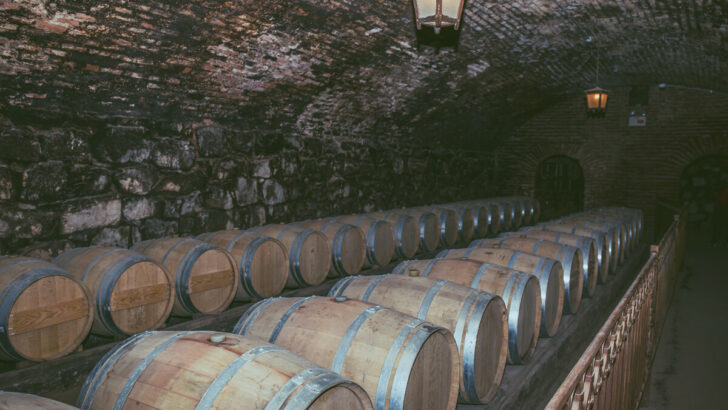
Aged wine can also be expensive because it is aged in a barrel. These barrels must be changed often.
For example, wineries may use 3 different barrels for vintage wines, then change the barrel once the tannins are pulled out of the oak. The barrel flavors will become neutral, so there is no point in keeping the wine in the barrel.
Final Thoughts
Aged red wine truly does taste better. It allows red wine to take on a smooth, full-bodied flavor that improves the wine drinking experience. So the next time you are in the liquor store, winery, vineyard, or grocery store, pick up a bottle of aged red wine.
🧡 All the girls from next door are here with their cams! Visit Cam: https://letsg0dancing.page.link/go?hs=a60314e2c9e70233300b64c551cafd60& 🧡
Tuesday 30th of August 2022
2si1wf